Recycling vs Compostable Packaging: What’s the Difference?
Discover the key differences between recycled and compostable packaging — how each material breaks down, the infrastructure needed to support them, and which sustainable approach may best align with your brand’s goals and customer expectations.
Introduction
As businesses and consumers become more eco-conscious, packaging plays a huge role in sustainability. Two terms often used are recyclable packaging and compostable packaging. While they sound similar, they work differently and impact the environment in unique ways.
In this guide, Raiz Packaging explains the key differences, pros and cons, and best use-cases so you can make smarter packaging decisions for your brand.
What is Recyclable Packaging?
Recyclable packaging is made from materials that can be collected, processed, and turned into new products. Common recyclable materials include:
Paperboard & cardboard
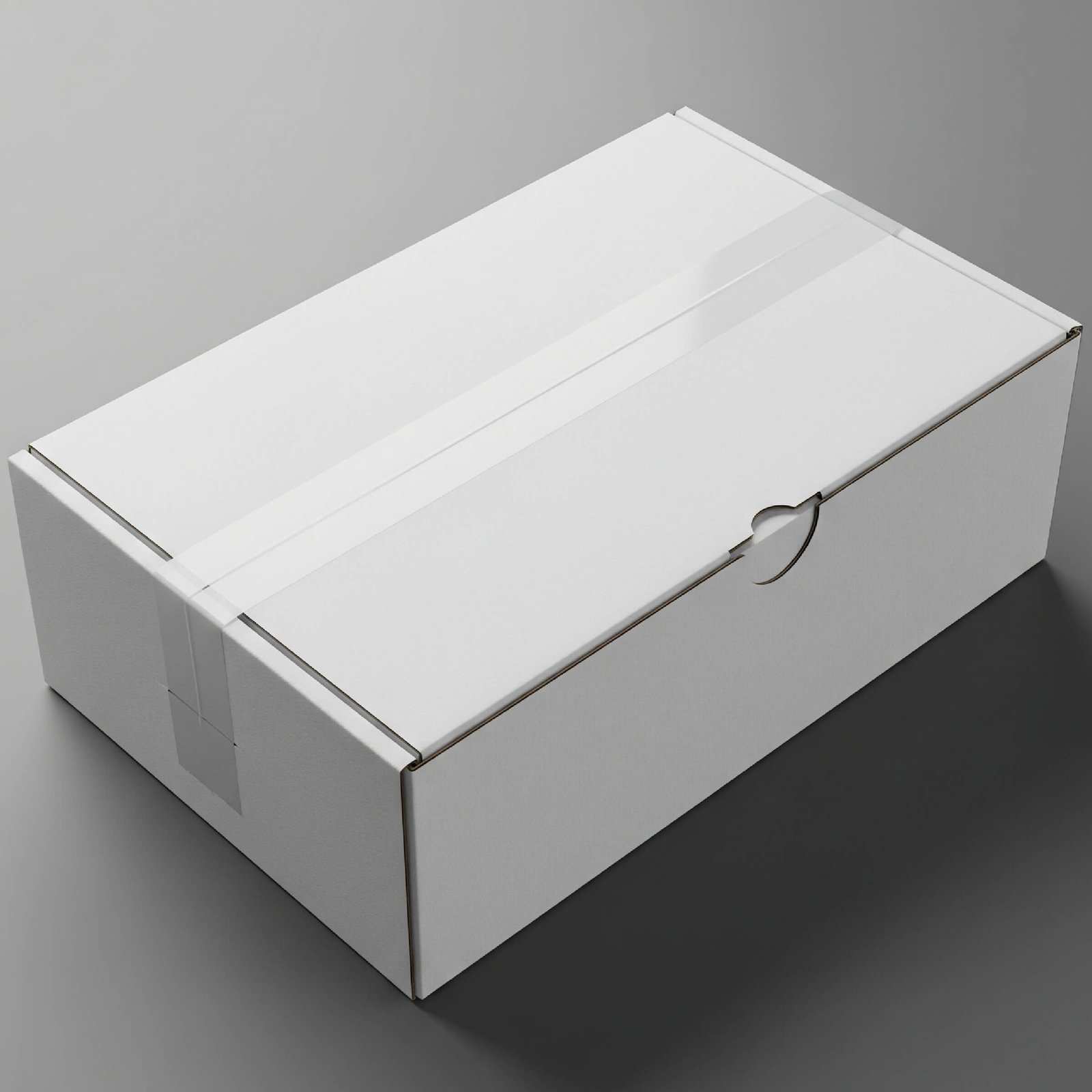
Corrugated boxes
Glass jars and bottles
Certain plastics (PET, HDPE, LDPE)
Aluminum cans
Benefits of Recyclable Packaging
Reduces waste by keeping materials in circulation
Cost-effective option for businesses
Widely accepted in municipal recycling systems
Maintains strength and quality after reprocessing
Limitations
Not all packaging materials are recyclable (e.g., mixed plastics, laminated foils)
Requires consumers to dispose of them correctly
Recycling processes vary by region
What is Compostable Packaging?
Compostable packaging is designed to break down naturally into non-toxic, organic matter under specific composting conditions. Instead of being reprocessed into new products, it turns into nutrient-rich compost.
Examples include:
Plant-based PLA plastics
Sugarcane bagasse trays
Kraft paper with compostable coatings
Cornstarch-based bioplastics
Benefits of Compostable Packaging
Leaves no toxic residue behind
Reduces landfill waste
Ideal for foodservice and single-use items
Meets growing demand for eco-friendly packaging
Limitations
Requires commercial composting facilities for proper breakdown
Shorter shelf-life compared to traditional packaging
Can be more expensive than recyclable options
Key Differences Between Recycling and Composting
Feature
Recyclable Packaging
Compostable Packaging
End Process
Reprocessed into new materials
Breaks down into compost
Infrastructure Needed
Recycling plants
Composting facilities
Best For
Long-term reuse
Food, single-use, organic-based items
Cost
Generally lower
Higher, but eco-appealing
Environmental Impact
Reduces raw material use
Eliminates waste, enriches soil
Which One Should You Choose?
The choice depends on your product type, customer expectations, and sustainability goals:
E-commerce & Shipping: Recyclable corrugated boxes remain the most cost-effective and practical option.
Food & Beverage Industry: Compostable packaging is increasingly popular for cups, trays, and takeout containers.
Eco-conscious Brands: A mix of recyclable outer packaging and compostable inner packaging can balance costs and sustainability.
How Raiz Packaging Supports Your Sustainability Goals
At Raize Packaging, we help businesses find the right eco-friendly packaging for their products. Whether you’re looking for recyclable corrugated boxes or compostable packaging alternatives, we provide:
Custom designs tailored to your brand
Eco-friendly materials with certifications
Flexible order quantities for startups and large-scale operations
Printing, finishes, and branding that make your packaging stand out
Both recyclable and compostable packaging offer eco-friendly benefits, but they serve different purposes. Recyclable packaging focuses on long-term reusability, while compostable packaging ensures natural decomposition.
By understanding the differences, you can make better decisions for your business, customers, and the planet. And with Raiz Packaging, you don’t have to choose blindly — we’ll guide you every step of the way.
Price Match Guarantee
Fill out the form to get in touch with our dedicated packaging consultant
 Call us at (647) 947-2300 or email orders@raizpackaging.com to get started with sustainable packaging today.